


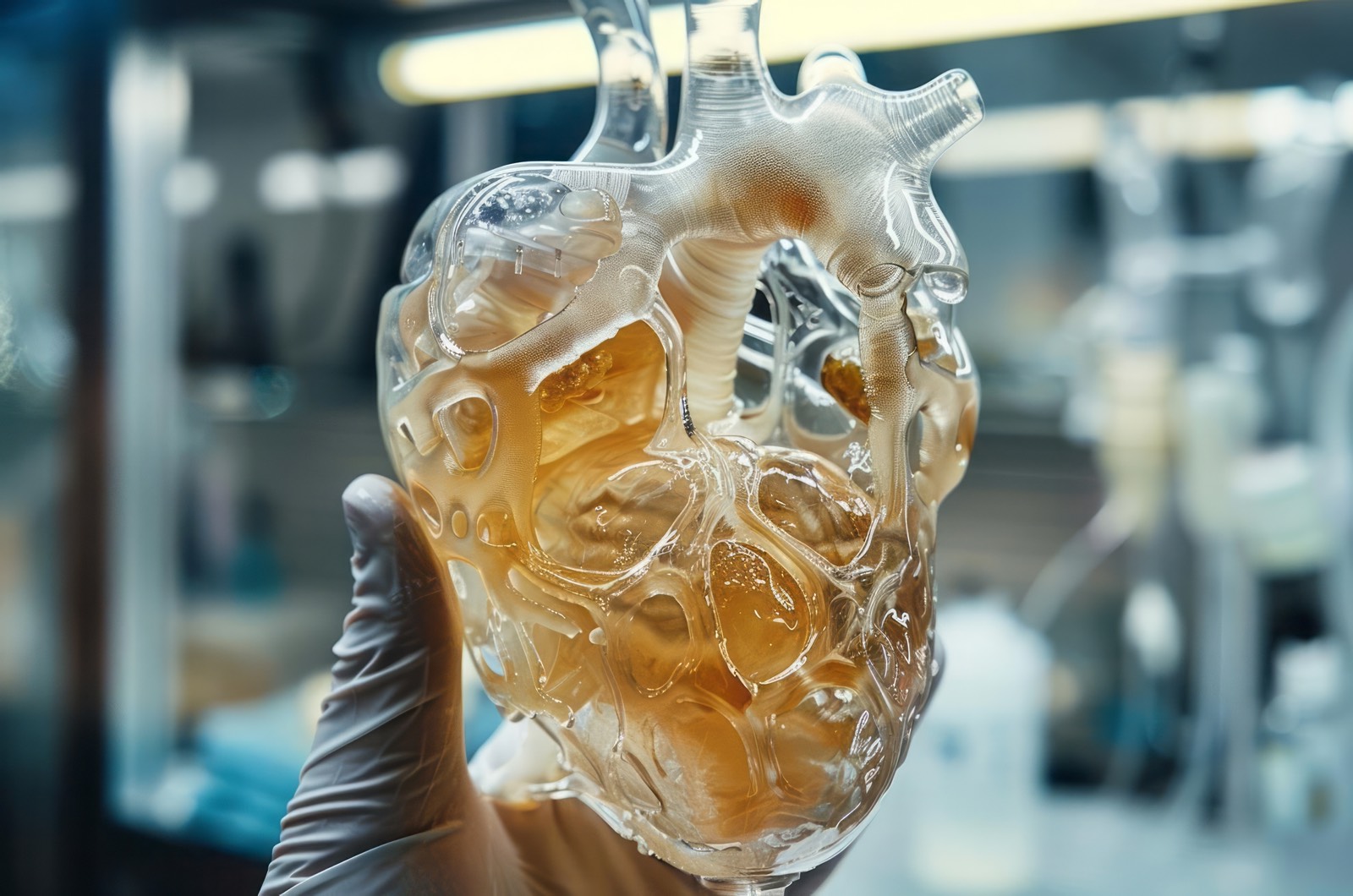


Stem cell cryopreservation is one of the most demanding tasks in modern life science. Whether mesenchymal stem cells for cell therapy, iPSCs for drug discovery, or hematopoietic stem cells from cord blood for transplantation — each cell type has specific cryobiological characteristics requiring tailored freezing protocols and validated storage infrastructure.
Failures in stem cell cryopreservation are rarely reversible. Cell lines that took years to develop can be lost within hours if equipment or protocol fails.
Stem cells are not a homogeneous group. Adult somatic stem cells, embryonic stem cells, and induced pluripotent stem cells (iPSCs) behave differently during freezing. They have different membrane properties, different sensitivity to cryoprotective agents, and different optimal cooling rates.
Hematopoietic stem cells (HSCs) from bone marrow or cord blood are especially sensitive to osmotic stress from DMSO — the standard cryoprotectant. Mesenchymal stem cells (MSCs) respond differently: they tolerate higher DMSO concentrations but require precise cooling rates to avoid membrane damage.
This heterogeneity makes validated, cell-type-specific protocols and a reliable controlled rate freezer a prerequisite — not an option.
The BIOFREEZE® from Consarctic® is the instrument for professional stem cell cryopreservation. Two models:
The TC-Aktiv function automatically detects latent heat (crystallization heat) in the sample during freezing and triggers a compensatory cooling impulse — the core of reproducible stem cell cryopreservation. No manual intervention, no technician variability, no batch inconsistency.
The result: reproducible post-thaw viability, complete protocol documentation, GMP-compliant audit trail software in the SMARTLINE.
After freezing, stem cells must be stored at –196°C. Depending on cell type and volume, different Consarctic® tank systems apply:
The BSD+ Series is designed for long-term stem cell storage in cryovials. Capacity: up to 100,000 cryovials per tank. Material: stainless steel with eccentric neck opening (LN₂ consumption up to 30% below standard).
BSD+ tanks are the choice for:
The BSF+ Series is designed for stem cell storage in cryobags — the preferred format for hematopoietic stem cells (bone marrow, cord blood, apheresis products) and cellular therapeutics.
Capacity: up to 1,700 bags of 500 ml per tank. Stainless steel construction with vapor phase storage — eliminating cross-contamination risk between patient samples.
Facilities including Swiss Stem Cells Biotech and Minaris Regenerative Medicine use BSF+ tanks for GMP-compliant stem cell storage.
Clinical stem cell applications and pharmaceutical ATMPs (Advanced Therapy Medicinal Products) operate under strict GMP requirements that extend to cryogenic systems:
Consarctic® performs IQ/OQ qualification through certified technicians. Pharmaceutical companies including Roche, Bayer, and GSK rely on Consarctic® as a qualified GMP partner.
Stem cell therapies involving multiple patient samples — particularly allogeneic therapies — must not cross-contaminate. Liquid phase storage carries this risk: if sample containers are not perfectly sealed, liquid nitrogen can enter and during thawing transfer contaminants between samples.
Vapor phase storage in Consarctic® BSD+ and BSF+ tanks eliminates this risk entirely. Samples reside in the saturated vapor space above the liquid nitrogen, without direct LN₂ contact.
Stem cells are mixed with a cryoprotective agent (typically DMSO, alone or in combination) and then cooled in a controlled rate freezer according to a validated protocol. The critical phase is the passage through the freezing point, where latent heat is released. The BIOFREEZE® detects and compensates for this heat automatically.
BSD+ is designed for cryovials — for cell lines, research banks, pharmaceutical stem cell banks. BSF+ is designed for cryobags — for hematopoietic stem cells (bone marrow, cord blood, apheresis products) and cellular therapeutics.
For clinical applications (cell therapies, ATMPs), IQ/OQ qualification of equipment is mandatory. For research applications, it is strongly recommended. Consarctic® provides all required documentation and performs qualification through certified technicians.
Stem cells can be stored at –196°C indefinitely. Long-term clinical studies show no significant viability decline over more than 10 years. The determining factor is freezing protocol quality.
Stem cell cryopreservation is not a purchasing decision — it is an infrastructure decision that determines the quality of all research and clinical activities built on it.
Consarctic GmbH supports research institutions, pharmaceutical companies, and cell therapy manufacturers from planning through IQ/OQ commissioning and continuous 24/7 operation. Contact us to discuss your specific requirements.